Ancestoring and the Imperfections of Memory
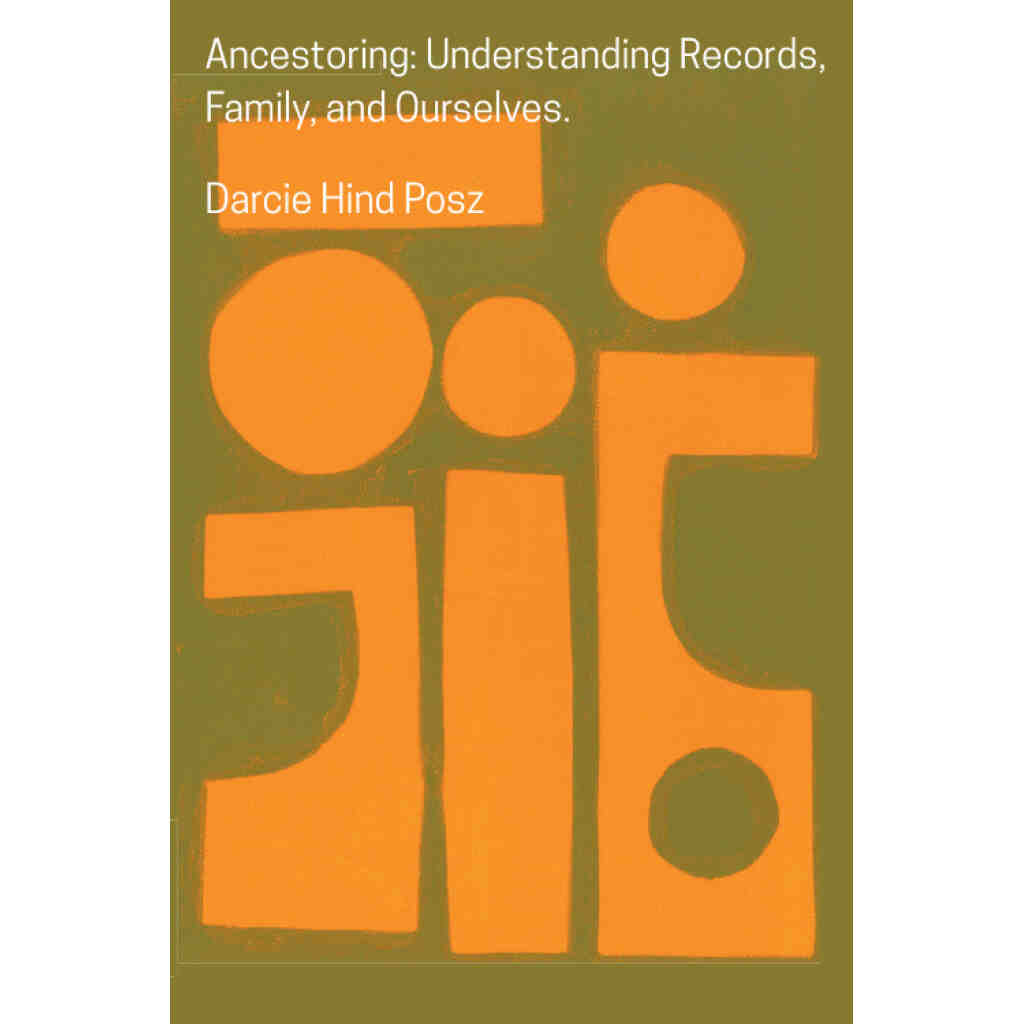
In Part Three of her new book, Ancestoring: Understanding Records, Family, and Ourselves, author Darcie Hind Posz cautions us, “When we try to remember, there is a bubble of heartbreaking nostalgia wrapping and protecting impressions that were tempered by the mood at the time. If we were happy, the memory is good. If we were scared, the memory is altered that way. An event that created a happy memory for us might be a bad memory for someone else. And consider the reverse: what if something we remember as bad is another person’s happy memory? “ In Part Three, appropriately titled “Understanding Ourselves,” the author continues, “We, genealogists, are also error prone when reporting or even remembering events, and the same problems will seep into the records of those we research.”
To illustrate her contention, Darcie Posz has included several case studies to test her readers’ memories, including the following one recalling her own childhood bout with appendicitis. This case study constitutes the entirety of Chapter Fourteen (pp. 97-101), which we have reprinted here.